Top Running VS. Underhung Bridge Cranes: How to Select
Date: 2025-07-31
Share us:
When selecting an overhead crane for your facility, one of the most important decisions is whether to choose a top running bridge crane or an underhung (also known as under-running) bridge crane. Both systems offer distinct advantages depending on your building structure, load requirements, and usage environment.
★What Is a Top Running Bridge Crane?
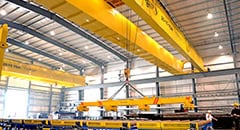
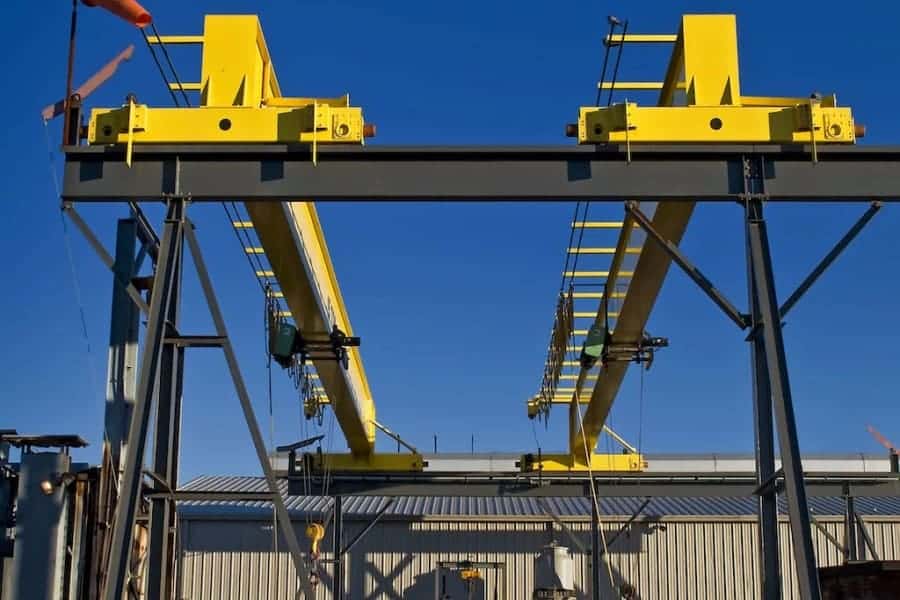
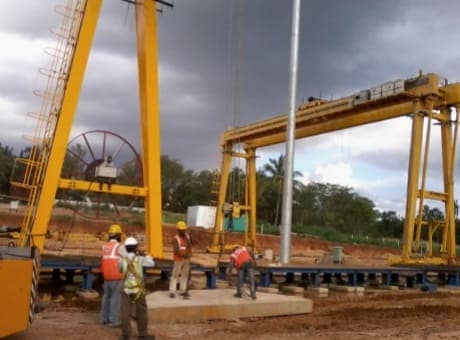
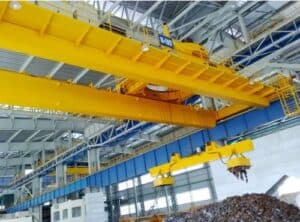
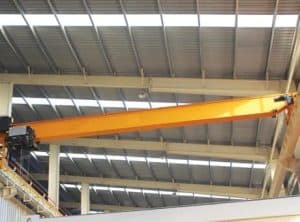
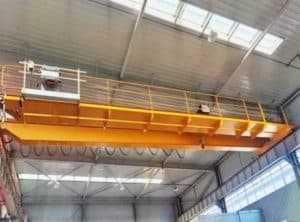
A top running bridge crane features end trucks that run on rails mounted to the top of runway beams, which are typically supported by columns or building frames. This type of crane is often used in facilities with higher load requirements and large spans.
♦Key Features:
-Runs on top of runway beams.
-Higher lifting capacity (up to hundreds of tons).
-More headroom for lifting.
-Requires more robust building support or independent columns.
★What Is an Underhung Bridge Crane?
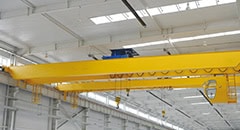
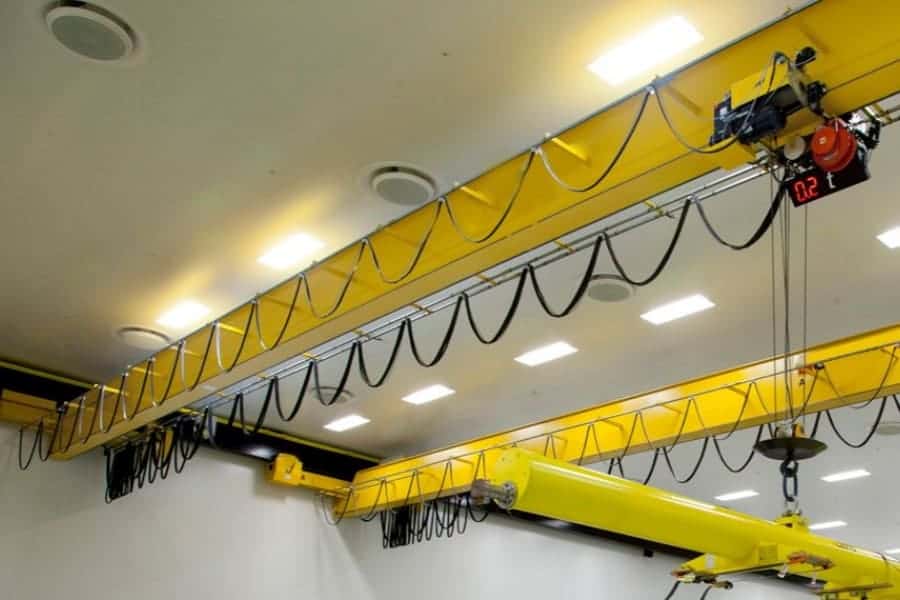
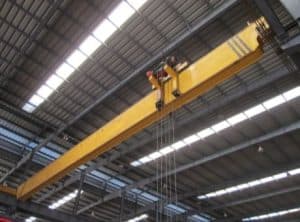
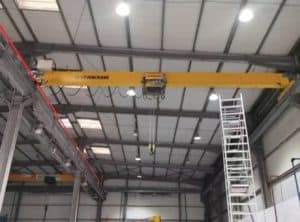
An underhung bridge crane, in contrast, has its end trucks running on the bottom flange of runway beams. These beams are usually suspended from the roof or ceiling structure, making it ideal for buildings where floor space is limited.
♦Key Features:
-Hangs from the bottom of runway beams.
-Typically lighter in capacity (under 10 tons).
-Utilizes existing building support.
-Maximizes floor space, ideal for small or low-clearance areas.
-You want to maximize floor space and avoid support columns.
-Your facility has a limited ceiling height.
-You’re retrofitting into an existing building with strong roof support.
Both top running and underhung bridge cranes offer distinct benefits tailored to specific operational needs. Understanding the structural constraints of your facility and the weight of the materials you need to lift will guide your decision. For expert consultation and custom crane solutions, contact SEVENCRANE – your trusted partner in overhead lifting systems.
This website uses cookies so that we can provide you with the best user experience possible. Cookie information is stored in your browser and performs functions such as recognising you when you return to our website and helping our team to understand which sections of the website you find most interesting and useful.
Strictly Necessary Cookies
Strictly Necessary Cookie should be enabled at all times so that we can save your preferences for cookie settings.
If you disable this cookie, we will not be able to save your preferences. This means that every time you visit this website you will need to enable or disable cookies again.