The wire rope hoist manufacturer is a small lifting tool commonly used in various industries. The safety issues of wire rope electric hoists are very important. This article summarizes the safety technical points of wire rope electric hoists.
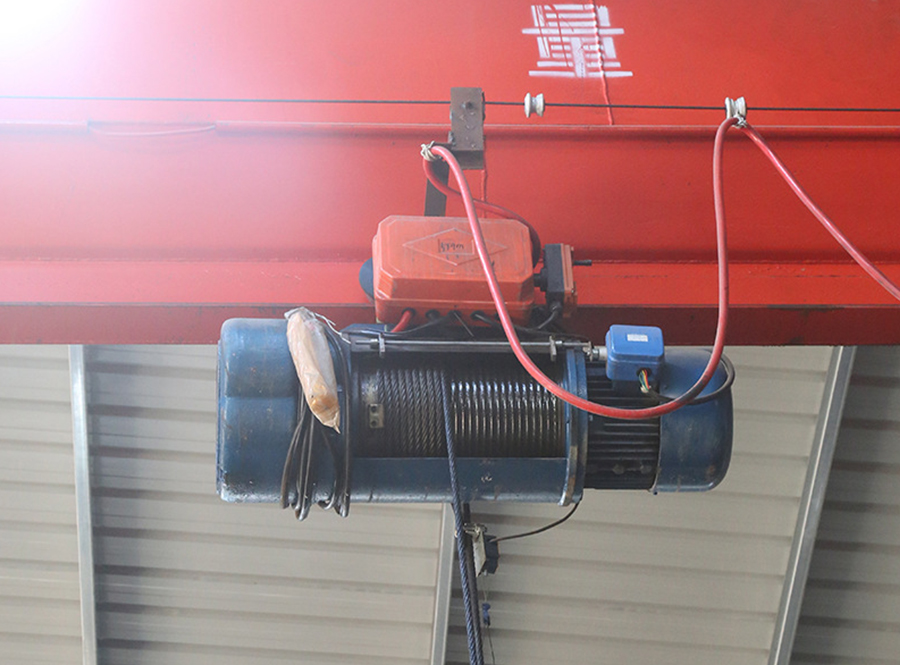
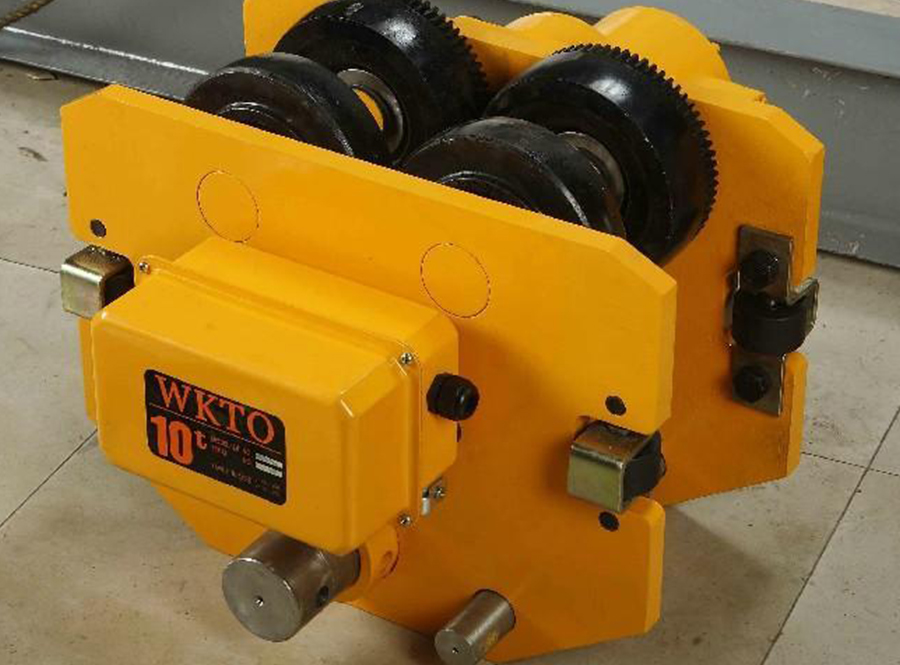
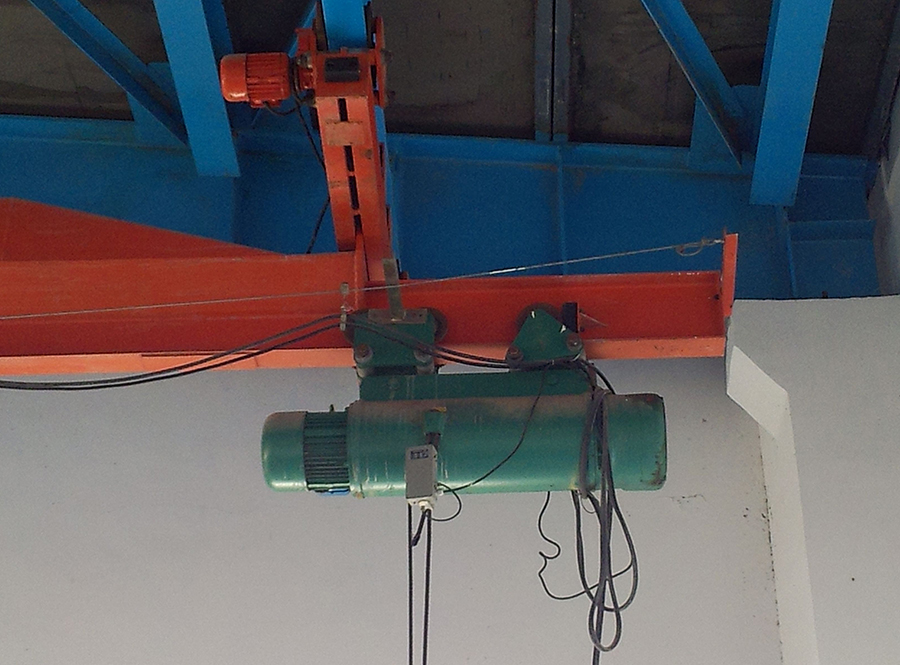
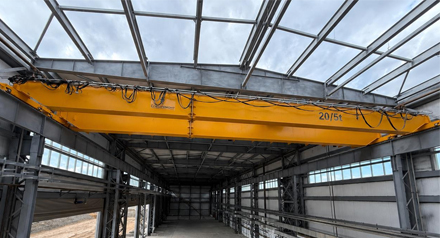
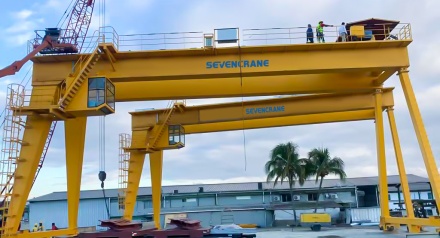
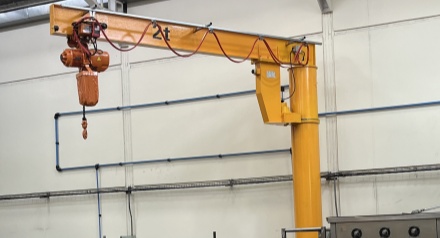
Structure of wire rope electric hoist The sevencrane wire rope hoist factory (hereinafter referred to as the electric hoist) is a lifting hoist that is composed of a motor, a reducer, a brake, etc., and finally winds up a lifting rope through a drum or a lifting chain through a sprocket to drive the lifting device up and down. . The electric hoist can be installed alone on the I-beam, or it can be installed on electric or manual single-beam, double-beam, cantilever, gantry and other cranes. According to whether the electric hoist has an operating mechanism and the type of operating mechanism, it is divided into: fixed electric hoist, single-beam trolley-type electric hoist and double-beam trolley-type electric hoist. Wireless remote control wire rope hoist company without operating mechanisms and for fixed use can be divided into two types: support type and suspension type according to different installation methods. The main components of the wire rope electric hoist are: traveling mechanism, motor, transmission mechanism, drum and wire rope.
2. Safety risks of electric hoists Best wire rope hoist for sale are lifting equipment. Due to factors such as operating factors, equipment factors, and environmental factors, there are major risks such as lifting injuries, object strikes, and falls from high places. 1. The main operational factors include: (1) Improper lifting methods and loose binding may cause decoupling, scattered or swinging of the lifting objects and injury to people; (2) Violation of operating procedures, such as casualties and equipment damage caused by skewed lifting, overloaded lifting, people working in dangerous areas, etc., as well as overloading, over-hoisting, and derailment caused by operators not using safety devices in accordance with regulations. , tipping and other accidents; (3) Collisions caused by improper command and uncoordinated movements. 2. Equipment factors mainly include: (1) Failure of the spreader, such as the fall of heavy objects caused by damage to hooks, wire ropes and their fixed parts; (2) Accidents caused by the failure of the control system of the lifting equipment or the failure of safety devices such as weight limiters, limiters, brakes, etc., such as the failure of the braking device causing the impact and pinching of heavy objects; (3) Accidents caused by insufficient component strength, such as accidents caused by collapse or falling due to failure of electric hoist fixings; (4) Electric shock accidents caused by damaged power cords, electrical appliances, poor insulation, improper grounding, etc.; (5) Electric hoist derailment or derailment caused by rail gnawing, excessive wear, or bending. 3 The main environmental factors include: (1) Collision and extrusion accidents caused by crowding and clutter in the venue; (2) Collisions caused by insufficient brightness and blocked line of sight, etc. (3) Equipment accidents such as derailment, collapse, and overturning caused by strong natural disasters such as lightning, gusts, tornadoes, typhoons, and earthquakes;
This website uses cookies so that we can provide you with the best user experience possible. Cookie information is stored in your browser and performs functions such as recognising you when you return to our website and helping our team to understand which sections of the website you find most interesting and useful.
Strictly Necessary Cookies
Strictly Necessary Cookie should be enabled at all times so that we can save your preferences for cookie settings.
If you disable this cookie, we will not be able to save your preferences. This means that every time you visit this website you will need to enable or disable cookies again.

 English
  Español
  Русский
  Português do Brasil
  Français