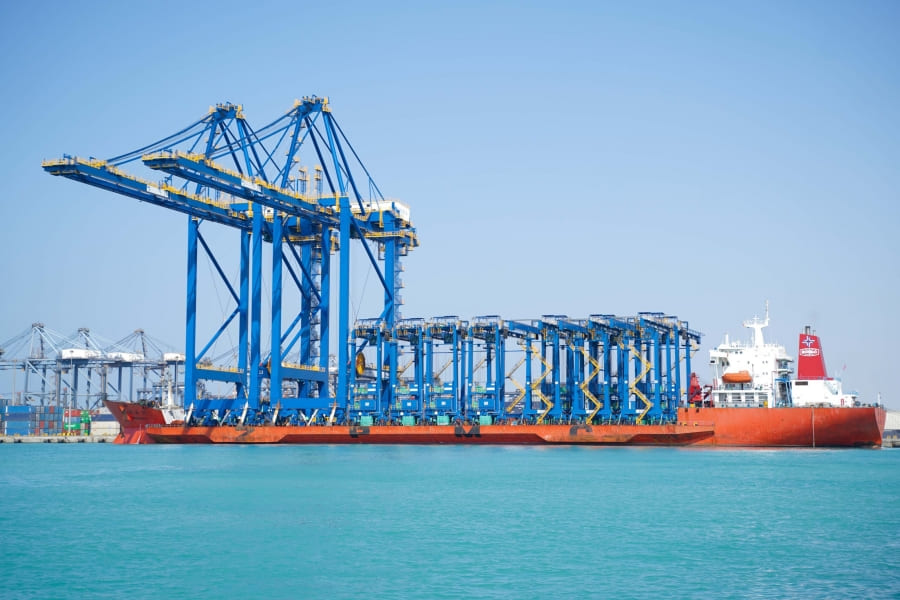
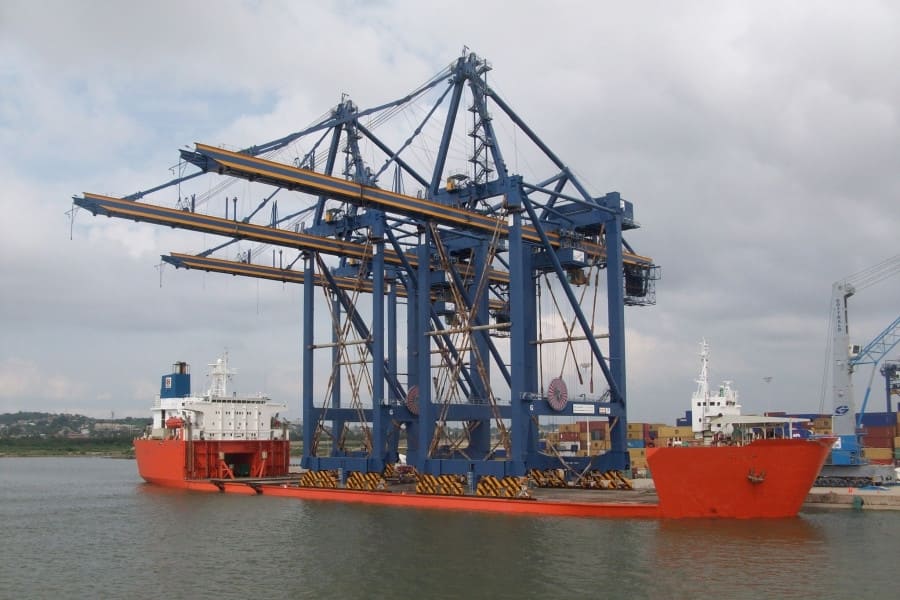
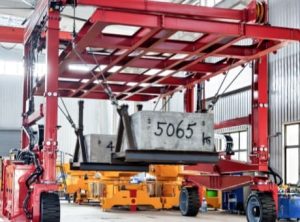
Ship-to-Shore (STS) cranes, also known as quay cranes, are essential equipment in container terminals for loading and unloading containers from ships. The specifications of STS cranes can vary depending on the specific manufacturer, port requirements, and operational needs. However, here are some general specifications and features commonly associated with STS container cranes:
Lifting Capacity: STS cranes are designed to handle heavy loads. Their lifting capacity typically ranges from around 40 to 80 metric tons. Some larger cranes can even have higher lifting capacities.
Outreach: STS cranes have a significant outreach capability to reach across the width of the ship. The outreach can vary from approximately 40 to 70 meters or more, depending on the crane’s size and design.
Backreach: The backreach of an STS crane refers to its ability to reach beyond the quay wall and stack containers in the yard. It typically ranges from around 15 to 25 meters or more.
Lifting Height: STS cranesare designed to handle containers stacked on multiple levels. The lifting height can vary, but it is commonly around 30 to 40 meters or higher.
Hoisting Speed: The hoisting speed of an STS crane determines how quickly it can lift or lower containers. It can range from approximately 60 to 120 meters per minute, depending on the crane’s specifications.
Trolley Travel Speed: STS cranes have a trolley that moves horizontally along the crane’s beam to position the container. The trolley travel speed is typically around 200 to 300 meters per minute.
Gantry Travel Speed: The gantry travel speed refers to the movement of the crane along the quay. It can vary but is commonly in the range of 40 to 100 meters per minute.
Automation Capability: Modern STS cranes often incorporate automation features for improved efficiency and productivity. These can include automated positioning systems, container identification technologies, and remote control capabilities.
It’s important to note that the specifications mentioned above are approximate and can vary based on specific crane models, manufacturers, and port requirements. Detailed specifications should be obtained from the crane manufacturer or the specific port authority operating the STS cranes.
This website uses cookies so that we can provide you with the best user experience possible. Cookie information is stored in your browser and performs functions such as recognising you when you return to our website and helping our team to understand which sections of the website you find most interesting and useful.
Strictly Necessary Cookies
Strictly Necessary Cookie should be enabled at all times so that we can save your preferences for cookie settings.
If you disable this cookie, we will not be able to save your preferences. This means that every time you visit this website you will need to enable or disable cookies again.

 English
  Español
  Русский
  Português do Brasil
  Français