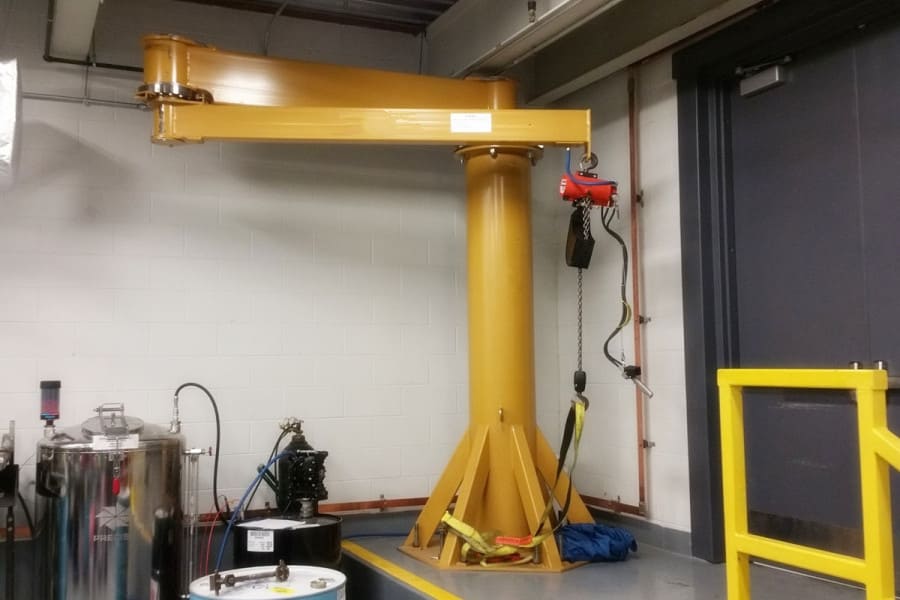
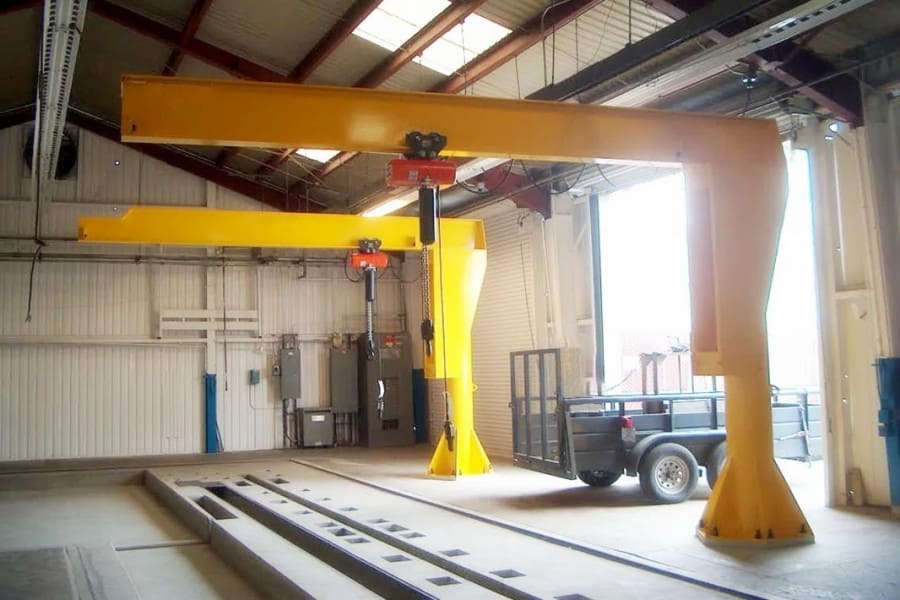
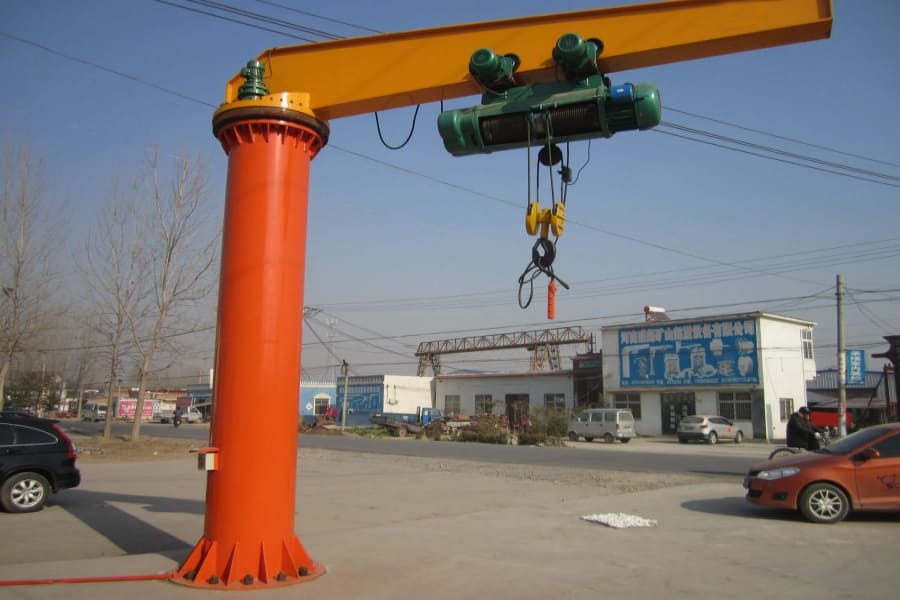
Lifting Capacity: Determine how much weight you need your crane to be able to carry. This will help determine the type and size of crane required. Make sure the pillar jib crane you choose has enough lifting capacity to complete your job tasks.
Job Scope: Consider the size and shape of your job site and how much coverage the crane needs to cover. Make sure the slewing jib crane you choose has sufficient arm length and rotation range to meet your work needs.
Operating Environment: Evaluate the environmental conditions in which the crane will operate. This includes indoor or outdoor use, ground conditions, climate conditions, etc. Make sure that the column mounted jib crane you choose has the characteristics to adapt to the required environment, such as rust-proof, dust-proof, waterproof, etc.
Safety performance: The safety performance of the crane is crucial. Make sure the crane you choose complies with applicable safety standards and regulations. Consider whether the crane is equipped with safety devices, such as heavy load protection, height limiters, collision detection, etc., to ensure safe operation.
Maintenance and upkeep: Consider your crane’s maintenance and upkeep requirements. Choose a make and model of pedestal jib crane that is easy to maintain and make sure you get adequate after-sales service and support.
Cost-Effectiveness: Choose a cost-effective crane based on your budget requirements. Weigh the price, quality and performance of a rotating jib crane and choose the most cost-effective option.
Serviceability and Flexibility: Consider the serviceability and flexibility of the crane. Choose a rotating jib crane that can handle a variety of job needs so it will work on future projects as well.
The best choice of freestanding jib crane will depend on your specific job needs and conditions. It is recommended to work with a professional crane supplier or engineer for customized advice and technical support.
This website uses cookies so that we can provide you with the best user experience possible. Cookie information is stored in your browser and performs functions such as recognising you when you return to our website and helping our team to understand which sections of the website you find most interesting and useful.
Strictly Necessary Cookies
Strictly Necessary Cookie should be enabled at all times so that we can save your preferences for cookie settings.
If you disable this cookie, we will not be able to save your preferences. This means that every time you visit this website you will need to enable or disable cookies again.