Payment Terms: 100% T/T
Delivery Time: 20 working days
Export Destination: Kazakhstan
Trade Terms: EXW (Ex Works)
Shipping Method: Ex-factory pickup
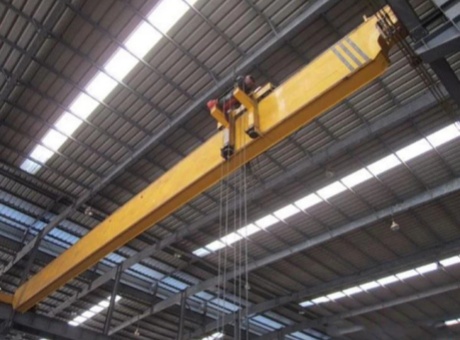
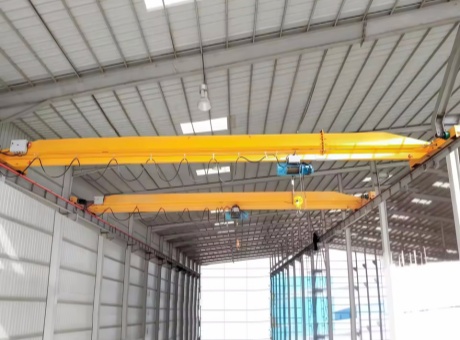
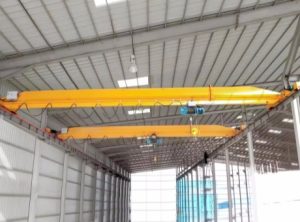
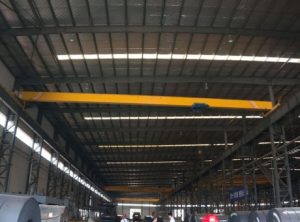
Product Name: LD-type Single Girder Overhead Crane
Lifting Capacity: 3.2t
Span: 7.5m
Lifting Height: 6m
Power Supply: 380V, 50Hz, 3-phase
Control Method: Pendant control
Duty Class: A3
Quantity: 2 units
The customer is from Kazakhstan and is the sales manager of a manufacturing company. Besides serving their own business, the customer also engages in the purchase and resale of lifting equipment, belonging to a typical resale buyer.
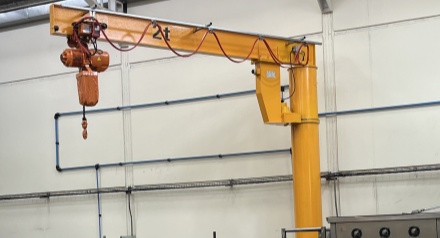
The customer has previously collaborated with SEVENCRANE and purchased two jib cranes for the first time. Through previous cooperation, the customer gained some understanding of our product quality and communication processes, establishing a preliminary trust foundation. The customer’s first purchase was very satisfied with the product quality and delivery speed.
This time, the customer needs to purchase two 3.2-ton single girder overhead cranes for the end customers. Since the equipment is for resale, the customer not only needs to consider product configuration and price, but also needs to comprehensively weigh the purchasing requirements of the end customers and the overall project budget. The procurement decision is more complex than that of the direct users.
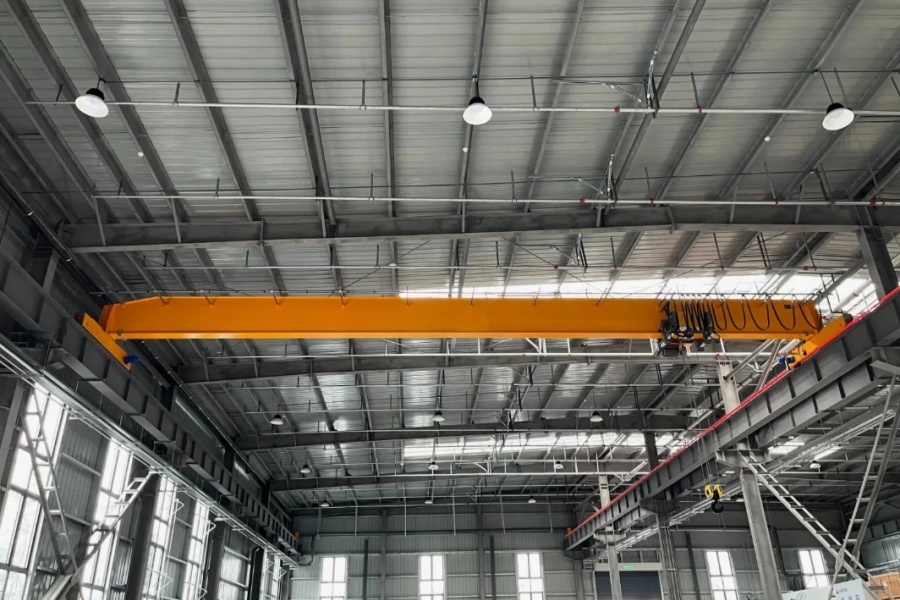
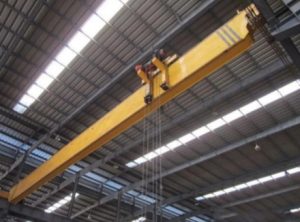
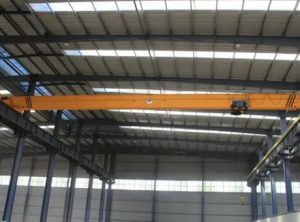
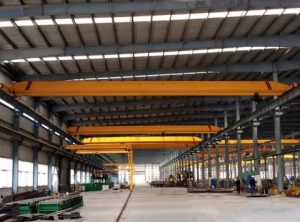
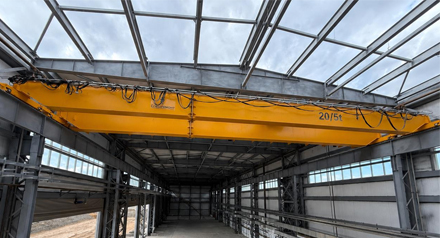
Single-girder bridge cranes are the most common type of bridge cranes and are ideal solutions for light and medium-sized material handling. SEVENCRANE can provide various design schemes of single-girder bridge cranes, covering low clearance hoists, standard clearance (single-track) hoists, etc., which can meet the operational needs of various workshops or warehouses. This series of products has the characteristics of compact structure, light self-weight, low noise, and easy installation and maintenance. The parameters of single-girder bridge cranes such as lifting capacity, span, lifting height, and operation mode all need to be determined in combination with the factory conditions and operational requirements of the end customers.
In May, the customer inquired about two 3.2-ton single-girder bridge cranes from SEVENCRANE. After receiving the request, we provided the customer with a preliminary quotation to help them understand the price and procurement cost of the equipment, providing a reference for further communication with the end customers.
Since the customer is responsible for coordinating and selling, the quotation is not only the confirmation of the product price, but also an important basis for the customer to evaluate the feasibility of the project. Therefore, we reserved the space for further communication so that we could continue to refine the procurement plan after the end customer’s requirements are further clarified.
After the first quotation, the customer did not reply again, and we remained patient and waited. In July, we contacted the customer again to follow up on the project progress. The customer reported that they had won the order from the end customer and the project had entered a more specific procurement advancement stage.
Compared with the preliminary inquiry in May, the procurement requirements at this time were more clear. The customer began to work on improving the subsequent procurement documents. The quotations, technical specifications, and delivery arrangements all need to be further implemented to support the formal contract process.
For resale customers, timely follow-up of project progress is very important. After the end customer confirms the purchase, the supplier needs to promptly cooperate with the customer to advance the equipment procurement, avoiding a mismatch between the initial quotation and the subsequent contract process, and reducing the uncertainty of the intermediate links.
In the July communication, we also confirmed the configuration details of the equipment with the customer again based on the actual working conditions of the end customer, ensuring that the technical solution was consistent with the end customer’s usage requirements, avoiding parameter mismatch issues during the resale process. The parameters of the two bridge cranes were determined to be 3.2t-7.5m-6m. No track is required, and the customer will provide their own.
As the project progressed, both parties further supplemented and confirmed the contract and form invoice (PI) to prepare for subsequent payments and order execution.
In terms of payment arrangements, this order was adjusted to be paid in RMB. According to the confirmed transaction conditions by both parties, the relevant documents also need to be consistent with the final payment arrangements to ensure that the contract, invoice, and settlement method are mutually compatible.
By promptly updating the purchase documents and payment information, both parties further clarified the execution basis of this transaction, prepared for the subsequent production arrangements and order delivery coordination, and enabled the resale customers to have a more certain delivery expectation for the end buyers.
The proforma invoice (PI) is used to confirm the order amount and transaction conditions, and is also an important basis for settlement between the customer and the end buyer. The clear content of the document is consistent with the payment arrangement, enabling each link in the resale chain to have a clear expectation of costs and delivery.
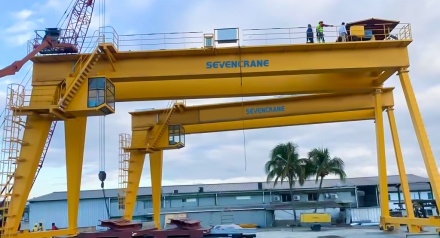
This purchase is not the first cooperation between the two parties. Previously, the customer had already purchased two gantry cranes from SEVENCRANE; this time, they purchased two 3.2-ton single-girder bridge cranes, demonstrating the continuation and expansion of the cooperation scope between the two parties.
For distributors or resale-oriented customers, the value of the supplier lies not only in providing products, but also in being able to cooperate in project advancement and responding promptly to procurement demands. Maintain smooth communication in the aspects of quotations, contracts, and payment documents.
This cooperation also provides a foundation for the future cooperation between the two parties in other lifting equipment projects, and is another achievement of the accumulation of long-term mutual trust.
SEVENCRANE not only provided the customer with quotations and procurement support for two 3.2-ton single-girder bridge cranes, but also assisted the customer in advancing the order documents and payment arrangements. For resale-oriented buyers who need to serve end customers, a stable supplier partnership helps improve procurement communication efficiency and creates more opportunities for subsequent business cooperation.




 English
 Español
 Русский
 Português do Brasil
 Français